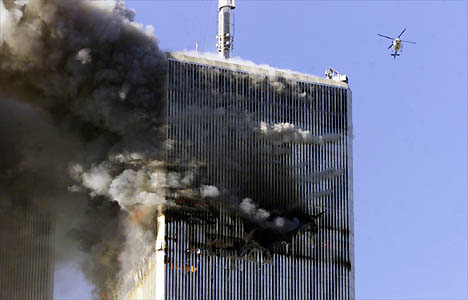
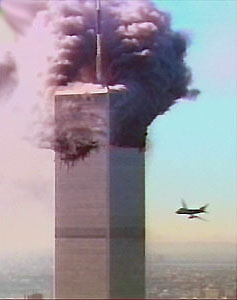
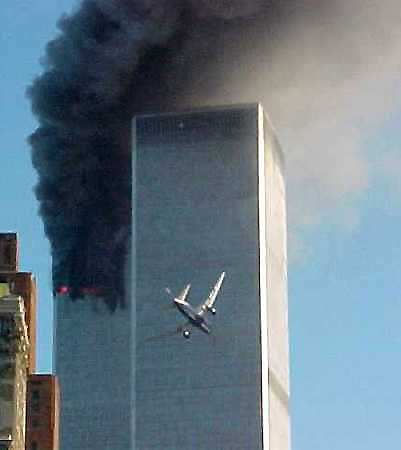
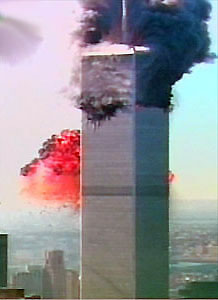
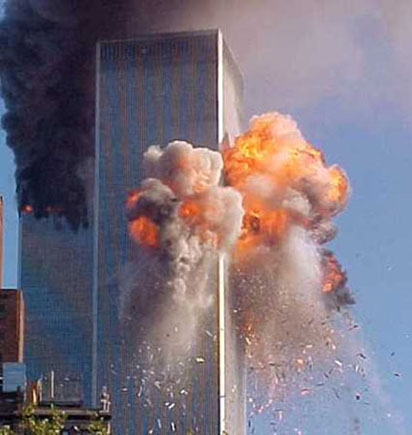
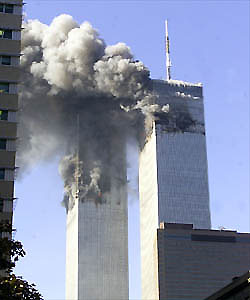
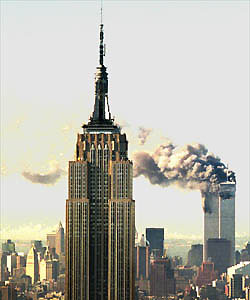
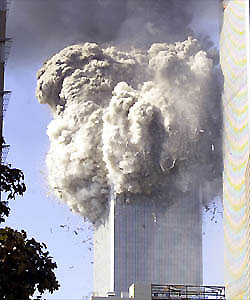
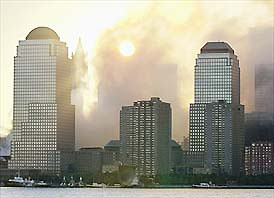
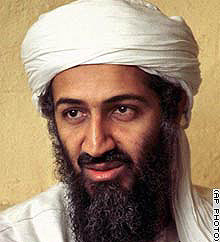
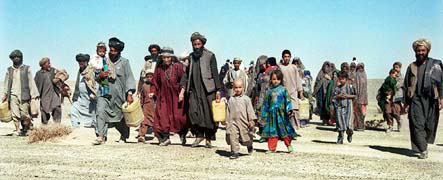
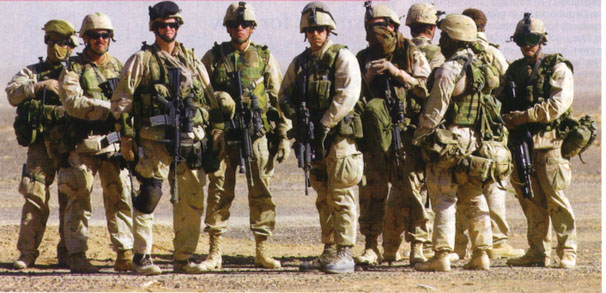
This date notes the first time in modern history that civilians in the continental United States were attacked by a hostile military force. The magnitude of the destruction of the World Trade Center is still being felt and will continue to reverberate for years to come. In response to this attack, the United States has launched a war on terrorism and on states considered to be harboring terrorist groups whose aim is to inflict harm on U.S. citizens. This war on terrorism has included the toppling of the Taliban regime in Afghanistan, where Al Qaeda forces were given a base of training and operations, and after March 2003, the invasion of Iraq that led to the overthrow of Saddam Hussein and the emergence of a civil war that still goes on as of 2007 with little end in sight.
For the first time in U.S. history we thus have a new doctrine of pre-emptive strikes designed to destroy the capacity of hostile forces to inflict damage on the United States. Absent international approval by the United Nations and other international bodies, the U.S. faces the prospect of acting unilaterally in aggression against states and regions that the United States considers to be "rogue" states. To the extent that the U.S. foregoes rigorous reviews of standards for "rogue" state behavior, and credible evidence to substantiate the charge, it risks being branded as an imperialist state, something that the United States was founded in opposition to when it declared independence from Great Britain in 1776. Thus, the war on terrorism puts at risk fundamental values such as individual freedom and non-agression on which the United States was founded, a dilemma that may lead to a decline in the role of the United States as a beacon of liberty to which many other nations have looked for inspiration in the crafting of their political and economic institutions.
What motivates this risk first and foremost is the scope of destruction on September 11, primarily the destruction of the World Trade Center towers, but also the destruction of part of the Pentagon, and finally the aborted effort to crash yet another plane somewhere in Washington and which was aborted by passengers in the hijacked airliner in Shanksville, Pennsylvania. The cost transcends the loss of more than 3,000 lives on that day, as the war in Afghanistan and Iraq have served to remind us.